

We’re passionate about helping home visiting programs and professionals grow and make an impact!

The Institute for Family Support Professionals helps to strengthen home visiting and human service programs across the country.
We partner with organizations and individuals to offer professional development trainings, workforce recruitment and capacity building. Our core focus areas include:
The Institute’s online training program offers Family Support Professionals everywhere the opportunity to learn new skills and grow their careers. Through a personalized professional development plan, teams can take charge of their own growth and advancement.
Knock is our new mobile-friendly application used to explore the field, make connections and learn more. Interested in a rewarding career in home visiting? Knock is your new best friend.
Rapid Response Home Visiting shares best practices for connecting with families virtually.
Customized Solutions to help programs and states train and grow their home visiting workforce. We bring experience from multiple states and home visiting models to help your team succeed.
The Institute was developed through a Maternal, Infant, and Early Childhood Home Visiting (MIECHV) Innovation Award by building upon previous work of project partners to enhance professional development across the field.
What is the Institute?
Meet the Institute Team
-

Janet Nickell Horras
EXECUTIVE DIRECTOR
Janet believes in the power of home visiting to transform and empower families. She is a national leader in the home visiting field and co-founder of the Institute.
Janet began her career in home visiting in 1989 as a home visitor. The families she was honored to serve taught her many life lessons that she still uses today. Janet has worked in many different evidence-based home visiting models including Parents as Teachers, Healthy Families America and Early Head Start.
She has held many different positions within home visiting programs at both a state and community level. Janet earned her Bachelor’s degree in Human Services from Buena Vista University and has completed additional graduate level coursework.
Most recently, Janet worked for the state of Iowa where she served as the family support program administrator for 25 years. She was the Iowa MIECHV state lead from 2010-2024.
-

Shannon Reaves
DIRECTOR OF EDUCATION
Shannon has been supporting The Institute for the Advancement of Family Support Professionals as a subject matter expert and content developer for the past 6 years and was instrumental in developing the Virtual Home Visiting e-learning series. With a background in teaching and extensive home visiting experience that ranges from providing services as a home visitor to managing multiple home visiting programs, she really understands the needs of the home visiting workforce and always brings a steadfast commitment to ensuring equitable representation and access in all that she does.
-
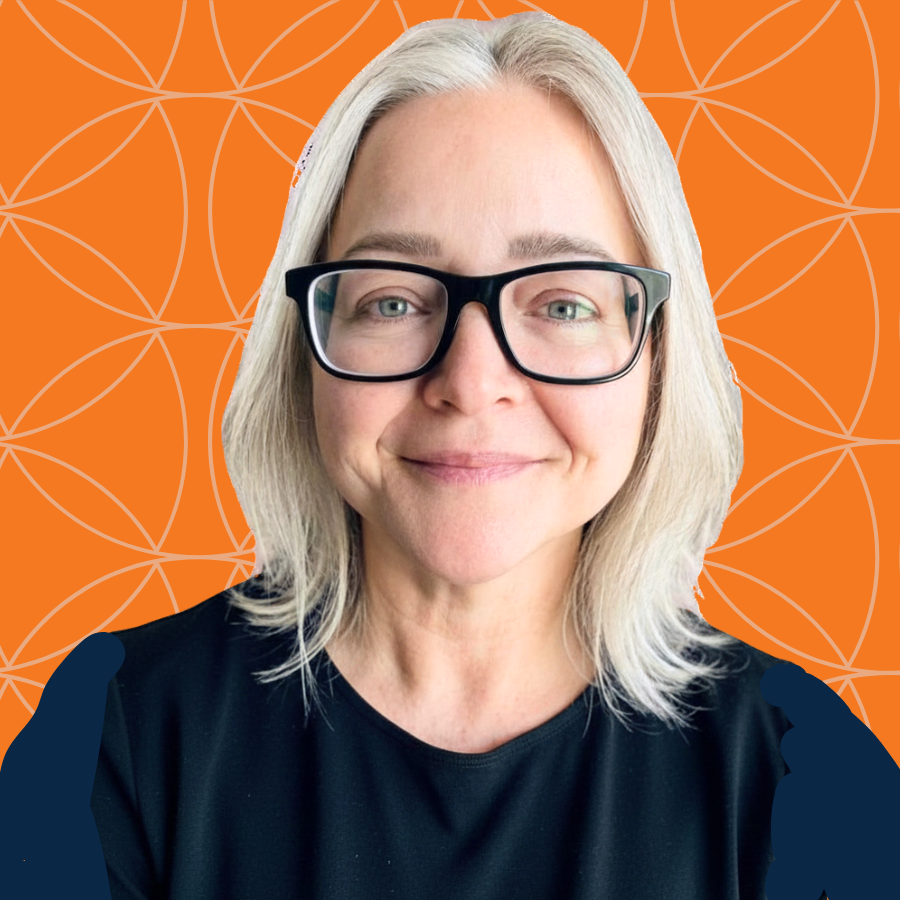
Joey Coakley Beck
CREATIVE DIRECTOR
Joey brings a vast background of marketing, publishing and creative design talent that spans over three decades to the Institute! For 15 of those years, Joey published monthly magazines for women and families in the state of Virginia and has extensive volunteer work for community non-profits, as well as organizations on the national level.
If you haven’t personally met Joey yet, we are certain you’ve seen her work through our social media channels and emails, along with her creative touches on all our communications and marketing and assisting in the National Home Visiting Week project for home visitors and family support professionals across the country.
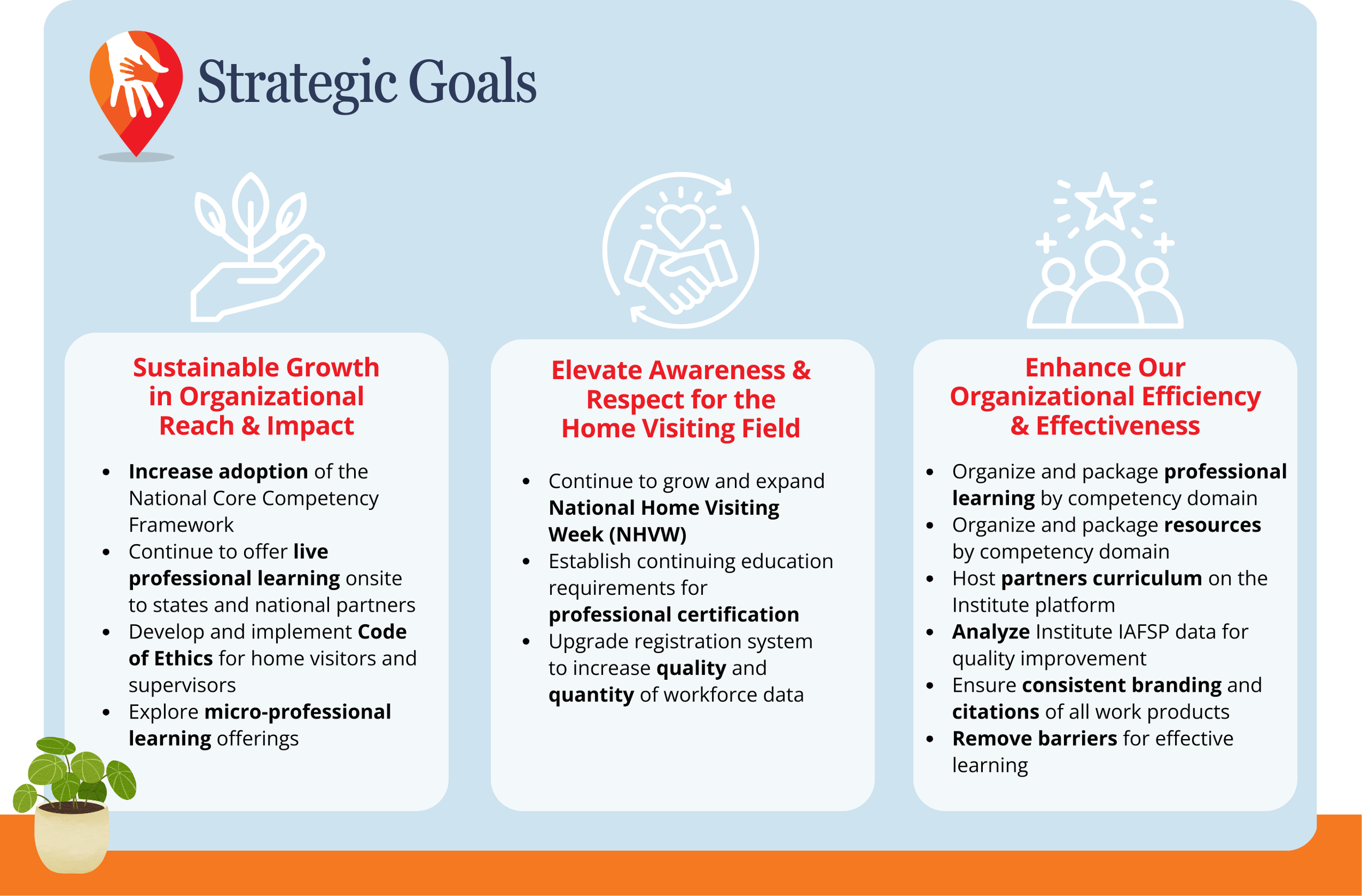
Our Strategic Plan 2025-2030
The Institute FSP is a private, not-for-profit organization that serves as a hub for personal growth, professional development and career advancement. We are passionate about helping home visiting organizations and professionals thrive.
Transforming workforce development for family support professionals worldwide by providing tools to enrich skills and promoting their career growth by defining the practice of early childhood home visiting.


Meet the Partners

Iowa Department of Public Health and Virginia Department of Health partnered to develop the Institute. They leveraged two MIECHV Innovation Awards, which funded the development of the Institute. They continue to have dedicated seats on the board of directors. The Iowa Department of Health and Human Services provides financial support for platform maintenance.
Early Impact Virginia supports the Institute's work by providing fiscal agent services and financially supporting module maintenance.
James Madison University’s Health Education Design Group (HEDG) designs learning modules that adhere to best practices in adult learning and include interactive elements such as gamification and 360-degree video.
The University of Kansas’s Center for Public Partnerships & Research designed software that allows professionals to identify pathways to achieve desired skills or competencies. They also provide maintenance and help desk support.
Institute for the Advancement of Family Support Professionals (IAFSP) Curriculum Development Overview
-
At the Institute for the Advancement of Family Support Professionals (IAFSP), curriculum development is a collaborative, multi-layered process refined over more than a decade. Our approach brings together expert leadership, university partnerships, and real-world practitioners to create high-quality, relevant learning experiences.
Internal Leadership
A Master’s-prepared Director of Education leads all curriculum development efforts (see attached resumé). This role ensures every module is grounded in best practices, aligns with the Institute’s strategic direction, and meets the needs of our diverse learners. Our Creative Director promotes newly released modules through social media, newsletters, and email campaigns, helping learners stay informed and engaged.University Partnerships
We maintain strong collaborations with two major institutions:James Madison University (JMU)
JMU contributes videography, graphic design, and instructional design expertise. Their continuing education department also offers CEUs for learners who request them.University of Kansas (KU)
KU supports module implementation, testing, platform maintenance, and integration with the KU School of Social Welfare, allowing learners to earn college credit. KU also maintains the proprietary software that powers our Career Compass.
Subject Matter Experts (SMEs)
SMEs play a critical role as reviewers and content creators. They include home visitors, supervisors, quality improvement professionals, and topic-specific experts (e.g., reproductive health). Their insights ensure that content is both accurate and grounded in real-world practice. -
Topic Selection & Course Outline
The Director of Education identifies course topics based on learner needs and available funding. Each proposed topic is reviewed with the Executive Director to ensure alignment with organizational priorities and the Institute’s strategic plan.
Course outlines are anchored in the National Core Competency Framework to ensure every module supports essential professional competencies. The Director of Education develops the narrative outline in consultation with SMEs and JMU as needed.Storyboarding & Creative Design
The Director of Education collaborates with JMU staff to create a storyboard based on the narrative outline. Together, they identify opportunities for videography, animation, and interactions to make key concepts more memorable and engaging.
Scripts are developed to ensure realistic, practical scenarios.Professional Production
We use professional actors and voice-over talent to create a polished, high-quality learning experience. Instructional designers ensure all elements reinforce learning objectives and support retention.Learning Supports & Assessments
Every module includes a downloadable learning guide and resource guide to extend learning beyond the screen.
Quiz questions are developed to assess comprehension. Learners must complete quizzes to earn a certificate, and results feed into the Career Compass system, which visually maps each learner’s strengths and growth areas.Testing & Launch
All modules undergo rigorous testing to ensure optimal functionality. IAFSP and JMU collaborate on final quality checks before launch.
Once released, the Creative Director leads a promotional campaign to share the new module with the broader community.
-
Maintenance is driven by Help Desk data and learner feedback. When an issue is reported:
The Help Desk attempts to replicate the problem.
If confirmed, the issue is escalated to IAFSP and JMU.
JMU diagnoses the problem and provides a timeline for repair.
Modules requiring significant work may be temporarily placed “under construction.”
We also analyze assessment data—quizzes, pre-assessments, and certification exams—to identify patterns. If learners consistently struggle with a particular competency, content and test questions are re-evaluated. Every five years, external researchers with Ph.D.-level expertise in home visiting review our data for long-term trends and opportunities for improvement.
-
Model Neutrality
All curriculum is designed to be model-neutral, enabling broad use across home visiting programs and beyond.A Diverse Learner Base
Although home visiting professionals are our primary audience, nearly half of our learners come from fields such as Part C Early Intervention, clinical practice, childcare, preschool, public education, and law enforcement.Adult Learning Principles
Our curriculum leverages adult learning theory—ensuring content is practical, interactive, relevant, and respectful of learners’ existing experience.
National Advisory Council
The National Advisory Council is made of home visiting peers from across the country. Their important and invaluable experience works alongside the Institute team through review and advising the Institute’s work.
-
![Donna Hunt OBrien]()
Donna Hunt O'Brien
VP Professional and Program Development, Parents as Teachers National Center
-
![Angie Pearcy]()
Angie Pearcy
Professional Development Coordinator, Michigan Public Health Institute
-
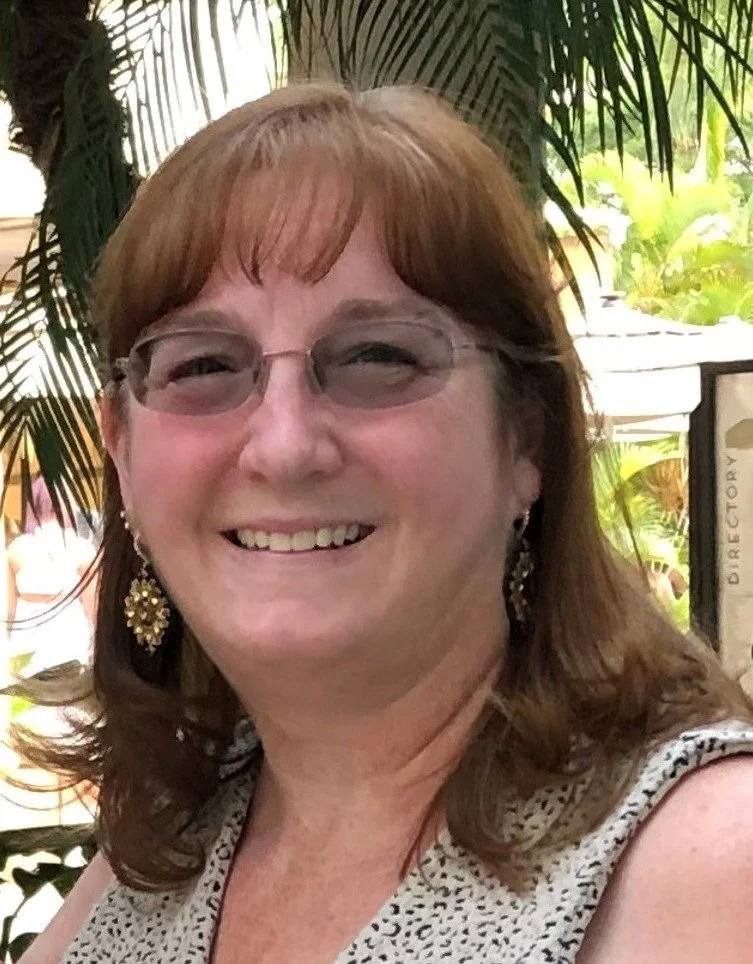
![A smiling woman with brown hair and glasses, wearing large earrings and a sleeveless top, standing outdoors with lush tropical plants in the background.]()
Elizabeth Osborn
Program Director, Healthy Families – Lānaʻi/Maui Family Support Services, Inc.
-
![Elizabeth VanSant-Webb]()
Elizabeth VanSant-Webb
Utah Home Visiting Program Manager/MIECHV Project Director, Utah Department of Health and Human Services
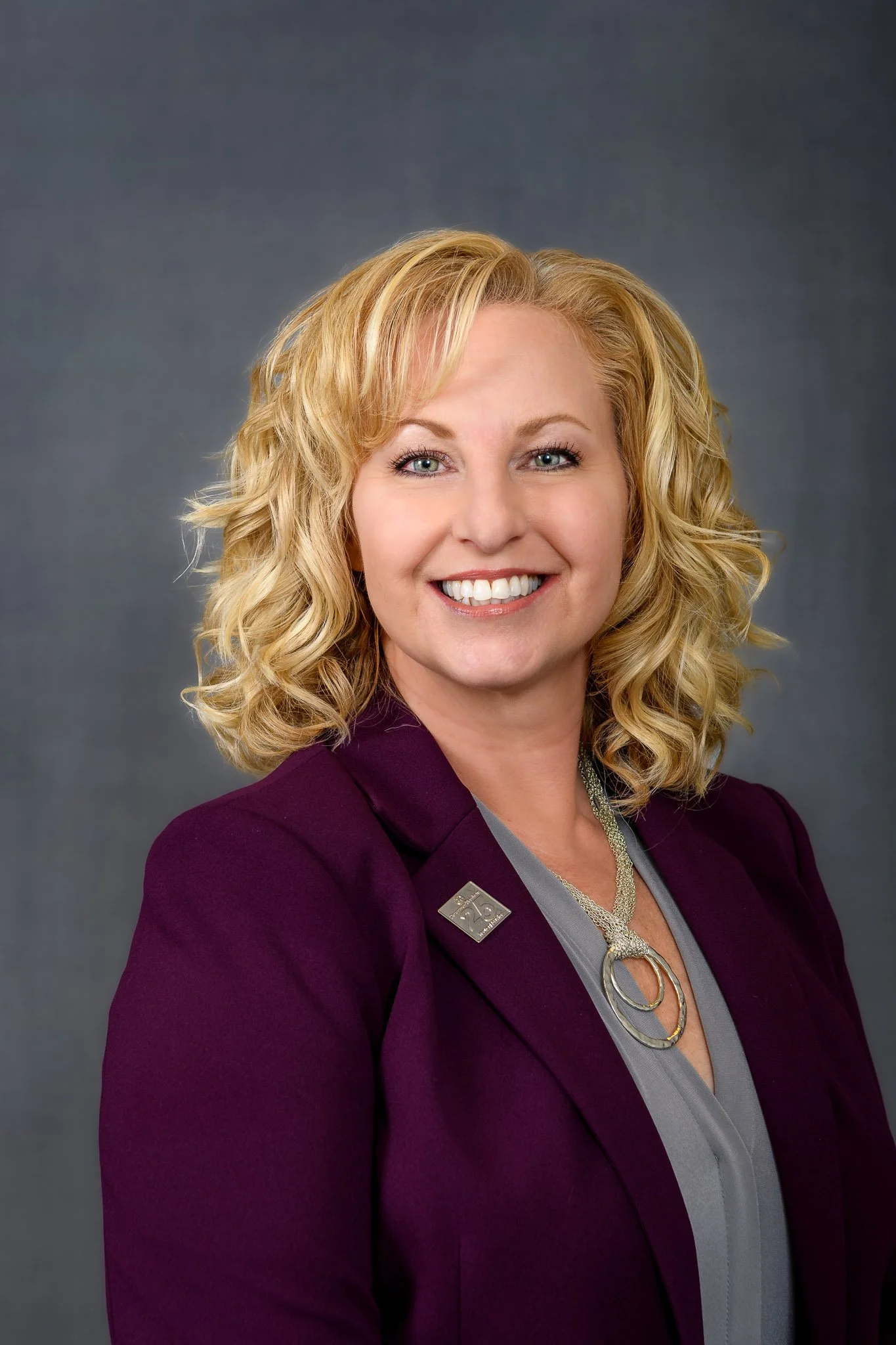


Institute Board of Directors
Our Board of Directors is a group of individuals who govern and oversee the organization's operations. They are responsible for setting the organization's mission, strategy, and goals, and ensuring that the organization operates in compliance with legal and ethical standards. We are proud of our inaugural Board of Directors comprising of strong leaders from the field.

-
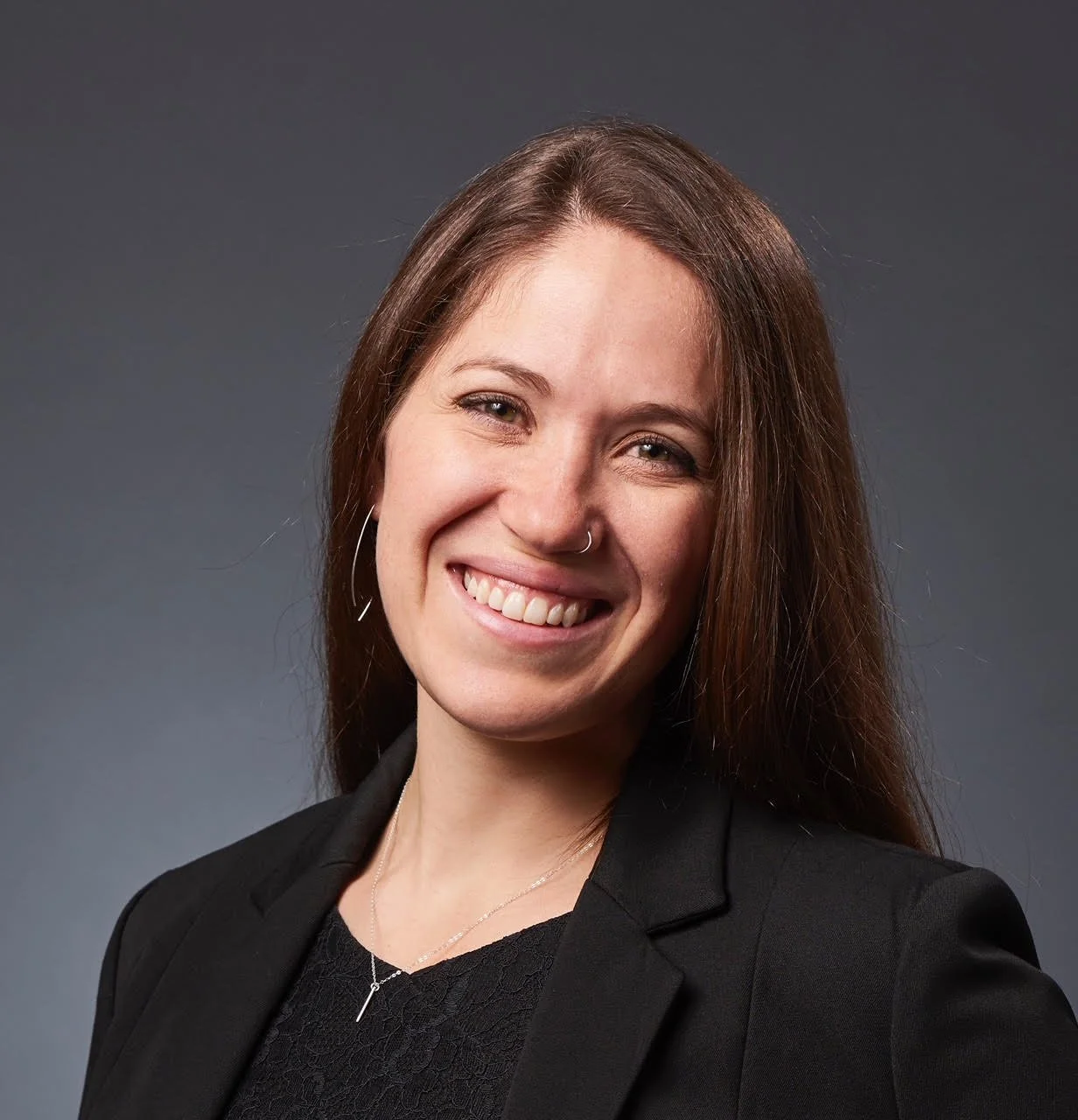
Laurel is the founding Director of Early Impact Virginia, where she leverages over 20 years of experience in child welfare and prevention programming to advocate for Virginia’s young children and their families.
Laurel is dedicated to advancing systemic solutions, strategic quality improvement, and meaningful change for the most vulnerable families by working across sectors. She holds a Master of Public Administration and a Bachelor of Social Work, both from Virginia Commonwealth University. Outside of work, Laurel enjoys spending time with her family, riding her Peloton, and curling up with a good book.
-
Karen Howard, JD, is the Founding Partner of Crossover Partners, LLC. She has decades of experience in early childhood policy. She was previously a policy director at the Alliance for Early Success where she led a portfolio of state and national partnerships and investments focused on home visiting, child welfare, family economic stability, and racially-equitable policies for young children and their families.
Prior to joining the Alliance for Early Success, Karen worked as the Vice President of Early Childhood Policy at First Focus on Children, where she led the organization’s work in cross-cutting policy initiatives that impact the early health, development, and well-being of children, with specific emphasis on children experiencing racial and ethnic disparities. With more than 20 years of experience in the legal, policy, and advocacy arenas, Karen has served as the Director of Policy for the Nurse-Family Partnership, a leading evidence-based home visiting program, and as legislative counsel in the office of Senator Ken Salazar (D-CO) where she focused on health and education policy.

-
Catriona is the Founder and President of Linchpin Strategies, LLC, a Washington, DC strategic consulting and public affairs firm. In 2015, Ms. Macdonald assisted in founding the Association of State and Tribal Home Visiting Initiatives, an independent, non-lobbying organization of state, Tribal and territorial administrators of voluntary home visiting programs, and continues to serve as the ASTHVI Executive Director.
Ms. Macdonald is recognized nationally as a policy expert across a range of child and family programs including child care and Head Start. Her professional background includes work in the United States Senate, House of Representatives, and Department of Health and Human Services. Ms. Macdonald is a member of the Board of Directors of Sepsis Alliance and the Bright Beginnings Head Start program, and is an Elder in the Falls Church Presbyterian Church. She lives in Virginia with her husband and daughter.

-
P.J. is currently serving as the interim Director of Iowa’s Health and Human Services Maternal Infant Early Childhood Home Visitation (MIECHV) program. Ms. West has worked within the family support arena for over 25 years, having started her career at a local community action agency in southwest Iowa as the Family Development and Self Sufficiency (FaDSS) Coordinator, where she was lucky enough to provide home visits to families.
In P.J.’s current role at the department at the Iowa Health and Human Services is as the interim Director of the Maternal, Infant, Early Childhood Home Visiting (MIECHV) program. In that role, she provides program management at the federal and state level as well as to to local MIECHV contractors. P.J. oversees many projects and training family support professionals is one of her favorites. She has a true passion for helping professionals understand their own “stuff” before they can successfully help others with theirs. She never wants anyone to forget what it’s like to walk up to family’s door, knock, and to have families let you in, where you become a part of their lives.
P.J. serves on several councils specific to family support programming in Iowa, on a multitude of committees representing Iowa family support and continues to serve on her local school board and childcare board. P.J. has an incredible passion for family support programming, and simply helping people. She lives in a small town in southwest Iowa with her two daughters and all of their pets.